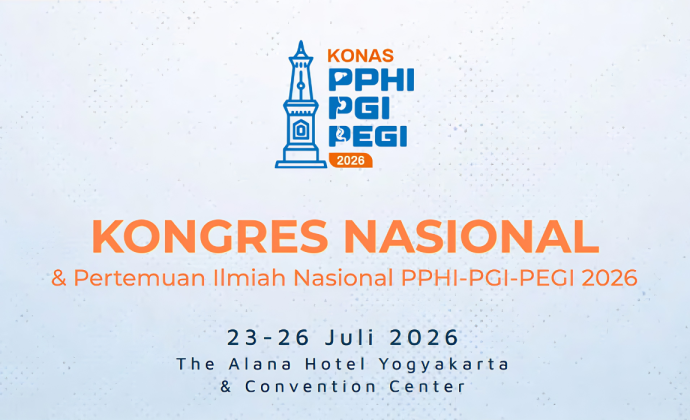
Yogyakarta is set to host one of Indonesia’s key scientific gatherings in gastroenterohepatology. The National Congress (KONAS) & Annual Scientific Meeting (PIN) of INA ASL-ISG-ISDE 2026 will be held on July 23–26, 2026, at The Alana Hotel Yogyakarta & Convention Center, bringing together clinicians, academics, and healthcare professionals from across the country.
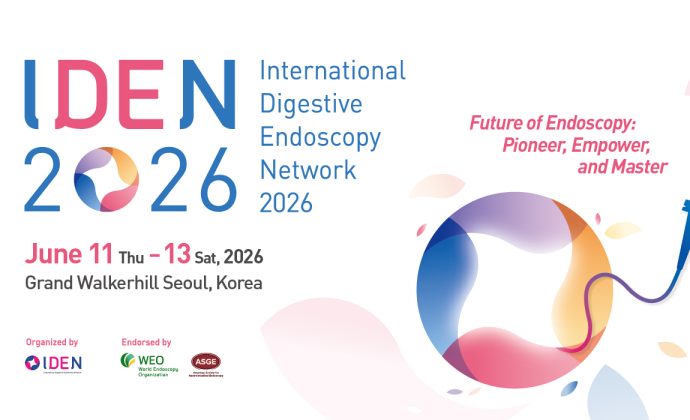
The 16th International Digestive Endoscopy Network (IDEN 2026) will be held on June 11–13, 2026, at Grand Walkerhill Seoul, Korea. Over the years, IDEN has developed into a well-recognized international meeting, bringing together clinicians, researchers, and endoscopy professionals from various countries. The 2026 meeting will continue to present updates and practical insights
Jakarta — A recent study led by Rabbinu Rangga Pribadi and colleagues demonstrates that a mastery learning approach effectively enhances physicians’ skills in performing intestinal ultrasound (IUS), particularly in the management of Inflammatory Bowel Disease. Published in Acta Medica Indonesiana, the study involved 37 internists and gastroenterologists who participated in a two-day
Semarang — The Indonesian Society for Gastrointestinal Endoscopy (PEGI), in collaboration with the Academy of Endoscopy (AoE), successfully conducted the Mastery Learning in Endoscopy Course: 3rd BEST Indonesia Camp from April 14–16, 2026, at Gumaya Tower Hotel, Semarang. This event marked the first BEST Camp held outside Jakarta and represents an ongoing
Mucosal visualization is a key factor in the success of esophagogastroduodenoscopy (EGD). In daily practice, the presence of mucus, foam, and air bubbles often interferes with endoscopic views and may affect diagnostic accuracy, particularly for subtle lesions. A study by Dr. Fauzi Yusuf, Dr. Azzaki Abubakar, and Dr. Desi Maghfirah, published in
Jakarta, April 2026 — The Indonesian Society for Digestive Endoscopy (ISDE) successfully conducted the Advanced Endoscopy Workshop from April 10–12, 2026, as part of its ongoing commitment to advancing clinical skills and expertise in gastrointestinal endoscopy across Indonesia. Held over three days, the workshop offered a well-balanced program combining scientific lectures with
In recent years, the development of artificial intelligence (AI) has brought significant changes to gastrointestinal endoscopy practice. This technology has rapidly evolved across various aspects, from lesion detection to clinical decision-making. Its presence not only improves the quality of examinations but also increasingly supports daily clinical practice. One of the most widely
Endoscopy has become a cornerstone of modern gastroenterology, serving both diagnostic and therapeutic purposes. As endoscopic procedures continue to grow in complexity, the need for structured and effective training systems has become increasingly important to ensure operator competence and patient safety. In the article “Theories of Educational Strategies for Endoscopy,” written by
Endoscopic submucosal dissection (ESD) for periampullary duodenal lesions is known to be technically challenging. Because of its close proximity to the papilla, this procedure carries a risk of post-procedural pancreatitis. Such complications may arise from mechanical trauma, thermal injury during dissection, or inadvertent obstruction of pancreatic duct outflow during mucosal defect closure.
Jakarta, 18 February 2026 — The Jakarta International Gastrointestinal Endoscopy Symposium & Live Demonstration (JIGES-LD) 2026, held in conjunction with the International Digestive Endoscopy Network (IDEN) Indonesia Chapter, concluded successfully on 11–14 February 2026 at the Shangri-La Hotel Jakarta. This international scientific meeting in gastrointestinal endoscopy brought together hundreds of gastroenterology consultants





 Users Today : 672
 Total views : 2578039
 Who's Online : 2