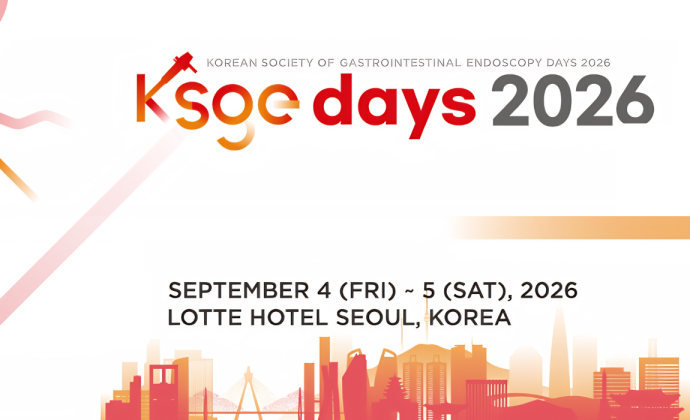
Seoul, South Korea, September 4–5, 2026 — The Indonesian Society for Digestive Endoscopy (ISDE/PEGI) brought Indonesia’s perspective to the international gastrointestinal endoscopy community through its participation in KSGE Days 2026, organized by the Korean Society of Gastrointestinal Endoscopy (KSGE) on September 4–5, 2026, at Lotte Hotel Seoul, Seoul, South Korea. ISDE’s participation
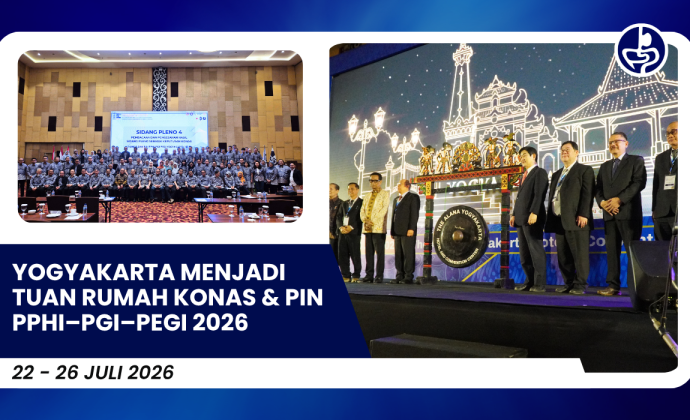
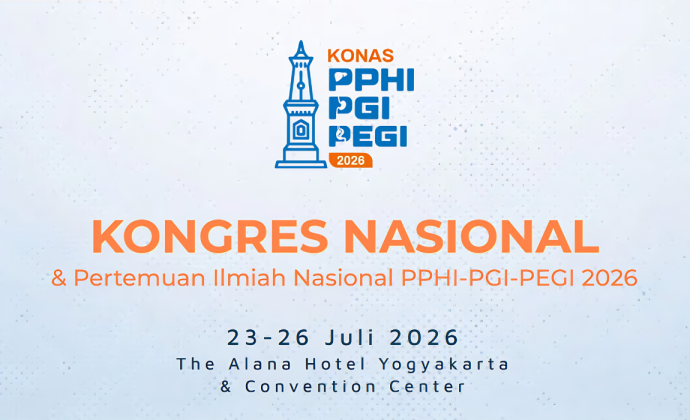
Yogyakarta once again became the center of scientific exchange in gastroenterology and hepatology by hosting the 2026 Joint National Congress (KONAS) and Annual Scientific Meeting (PIN) of the Indonesian Liver Research Association (PPHI), the Indonesian Society of Gastroenterology (PGI), and the Indonesian Society for Digestive Endoscopy (ISDE/PB PEGI). Held from 23–26 July
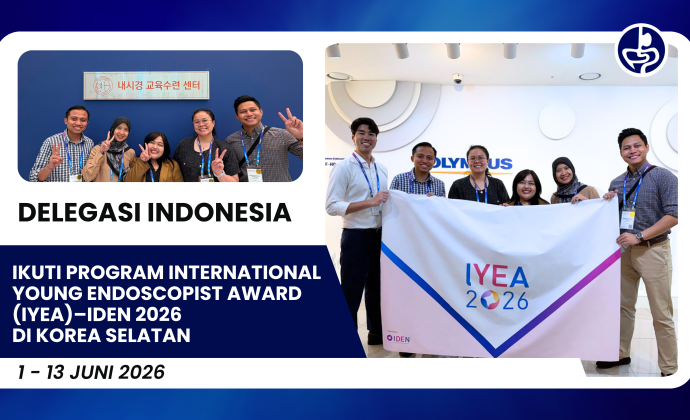
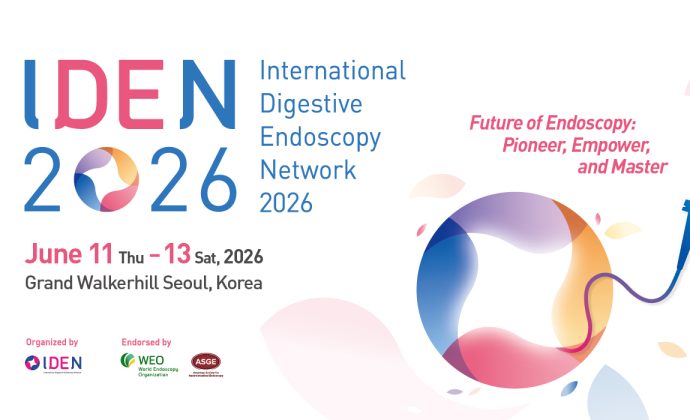
Indonesia once again demonstrated its commitment to the development of human resources in gastrointestinal endoscopy through the participation of five young gastroenterologists in the International Young Endoscopist Award (IYEA)–International Digestive Endoscopy Network (IDEN) 2026 program. Organized by the International Digestive Endoscopy Network (IDEN) in collaboration with the Korean Society of Gastrointestinal Endoscopy
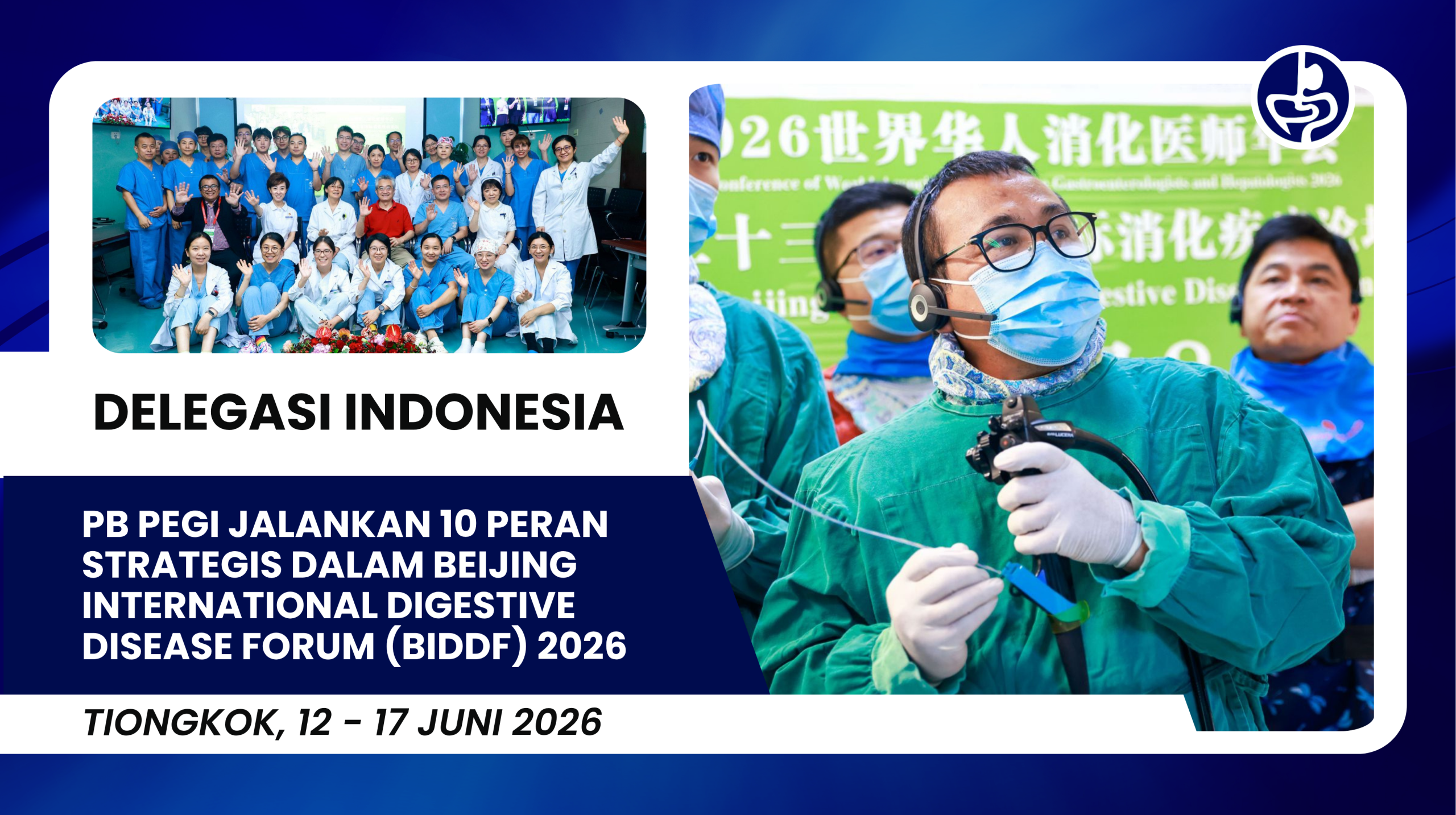
Beijing, China – The Indonesian Society for Digestive Endoscopy (PB PEGI) once again demonstrated its active engagement on the international stage through its participation in the Beijing International Digestive Disease Forum (BIDDF) 2026, held from 12–14 June 2026 in Beijing, China. Representing PB PEGI at this prestigious scientific forum was Dr. Hery
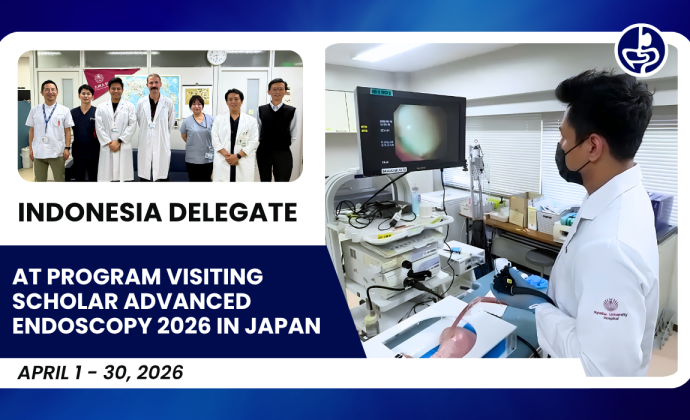
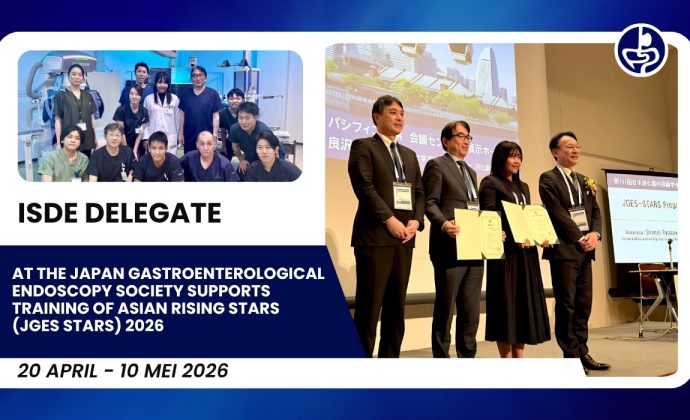
The Indonesian Society for Digestive Endoscopy (ISDE) continues to support the advancement of Indonesian physicians through international academic collaboration and professional development programs. As part of this commitment, Dr. Muhammad Faisal Prananda, participated in the 2026 Visiting Scholar Program in Advanced Endoscopy held at Kyushu University Hospital, Fukuoka, Japan, from April 1–30,
Jakarta, May 12, 2026 – The Indonesian Society for Digestive Endoscopy (ISDE) continues to demonstrate its commitment to supporting the professional development and international networking of its members through active participation in international education and training programs. This year, dr. Cokorde Istri Yuliandari Krisnawardani K, M.Biomed., SpPD, FINASIM from Udayana University Hospital
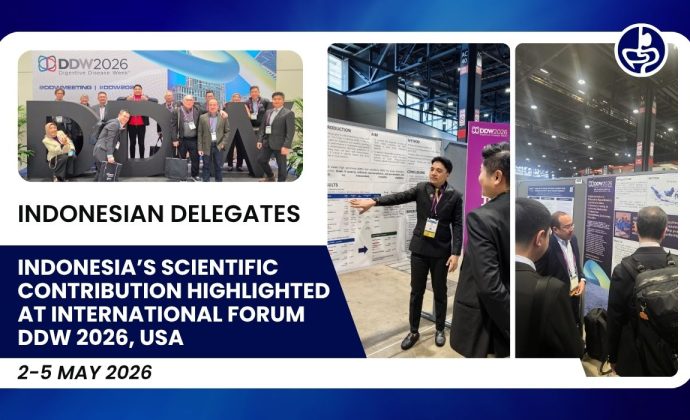
Indonesia once again demonstrated its contribution to the international scientific community. A total of 10 papers from Indonesia were accepted at , held on May 2–5, 2026, in Chicago, United States. Digestive Disease Week (DDW) is recognized as one of the largest and most prestigious scientific meetings in the fields of gastroenterology,
The Korean Society of Gastrointestinal Endoscopy (KSGE) will once again host KSGE Days 2026, scheduled for September 4–5, 2026, at Lotte Hotel Seoul, Seoul. The meeting is recognized as one of the key international forums for updates and knowledge exchange in gastrointestinal endoscopy. Under the theme “Pioneering the Future of Endoscopy: Beyond
Yogyakarta is set to host one of Indonesia’s key scientific gatherings in gastroenterohepatology. The National Congress (KONAS) & Annual Scientific Meeting (PIN) of INA ASL-ISG-ISDE 2026 will be held on July 23–26, 2026, at The Alana Hotel Yogyakarta & Convention Center, bringing together clinicians, academics, and healthcare professionals from across the country.
The 16th International Digestive Endoscopy Network (IDEN 2026) will be held on June 11–13, 2026, at Grand Walkerhill Seoul, Korea. Over the years, IDEN has developed into a well-recognized international meeting, bringing together clinicians, researchers, and endoscopy professionals from various countries. The 2026 meeting will continue to present updates and practical insights



 Users Today : 593
 Total views : 2543733
 Who's Online : 2