In recent years, the development of artificial intelligence (AI) has brought significant changes to gastrointestinal endoscopy practice. This technology has rapidly evolved across various aspects, from lesion detection to clinical decision-making. Its presence not only improves the quality of examinations but also increasingly supports daily clinical practice. One of the most widely
Endoscopy has become a cornerstone of modern gastroenterology, serving both diagnostic and therapeutic purposes. As endoscopic procedures continue to grow in complexity, the need for structured and effective training systems has become increasingly important to ensure operator competence and patient safety. In the article “Theories of Educational Strategies for Endoscopy,” written by
Endoscopic submucosal dissection (ESD) for periampullary duodenal lesions is known to be technically challenging. Because of its close proximity to the papilla, this procedure carries a risk of post-procedural pancreatitis. Such complications may arise from mechanical trauma, thermal injury during dissection, or inadvertent obstruction of pancreatic duct outflow during mucosal defect closure.
Jakarta, 18 February 2026 — The Jakarta International Gastrointestinal Endoscopy Symposium & Live Demonstration (JIGES-LD) 2026, held in conjunction with the International Digestive Endoscopy Network (IDEN) Indonesia Chapter, concluded successfully on 11–14 February 2026 at the Shangri-La Hotel Jakarta. This international scientific meeting in gastrointestinal endoscopy brought together hundreds of gastroenterology consultants
Registration for JIGES–LD 2026 in conjunction with the IDEN Indonesia Chapter is now open. For the first time, JIGES is collaborating with IDEN Korea (International Digestive Endoscopy Network), marking an important milestone in regional scientific partnership. This annual meeting will take place at Shangri-La Hotel Jakarta on 11–14 February 2026, featuring a
Colorectal cancer (CRC) is one of the most common malignancy globally (1). Approximately 63,500 new cases are reported annually in Indonesia and most of them is located in rectal region (2). Clinical and pathological features of CRC are different according to tumor location, along with it’s molecular marker profile (3). Glucose-related Protein
Recent studies have shown that consuming yogurt or other fermented dairy products is associated with a reduced risk of large bowel cancer. However, yogurt cannot be used as the only prevention; it is only part of an overall healthy lifestyle. Several studies from the past five years have reported that people who
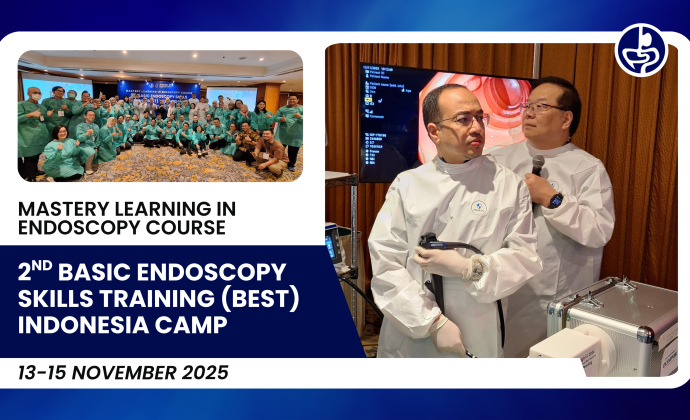
Jakarta — The Indonesian Society for Digestive Endoscopy (ISDE), in collaboration with the Academy of Endoscopy (AoE), successfully organized the Mastery Learning in Endoscopy Course: 2nd Basic Endoscopy Skills Training (BEST) Indonesia Camp, held on 13–15 November 2025 at Hotel Borobudur Jakarta. This program marks the second implementation of the BEST Camp,
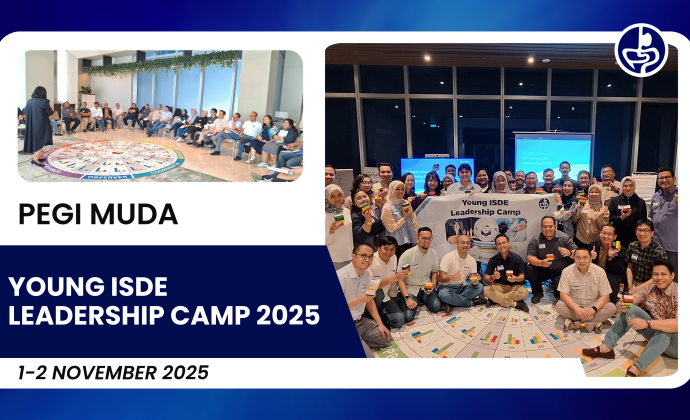
The Indonesian Society for Digestive Endoscopy (ISDE) successfully organized the Young ISDE Leadership Camp 2025 on 1–2 November 2025 at Pan Pacific Hotel Jakarta. The event brought together 37 Young ISDE members from various regions across Indonesia. This program aimed to strengthen leadership capacity, enhance national networking, and elevate the competency of
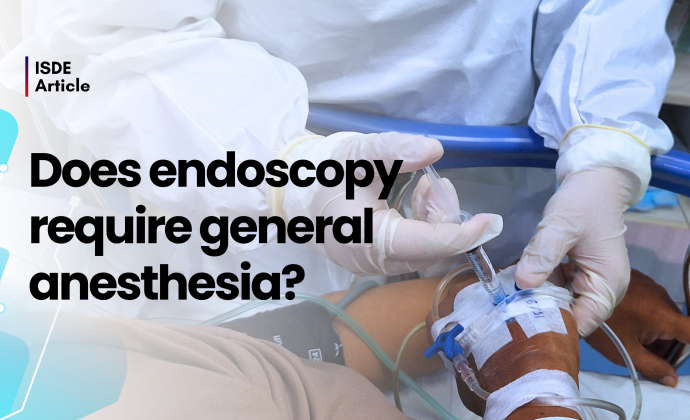
Many people feel anxious before undergoing an endoscopy, often wondering, “Do I have to be put under general anesthesia?” This concern is completely understandable, especially for those having the procedure for the first time. In fact, most endoscopic procedures do not require general anesthesia. Endoscopy is generally performed under mild to moderate





 Users Today : 360
 Total views : 2297588
 Who's Online : 3